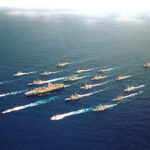
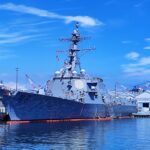
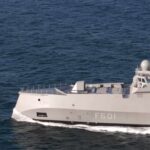

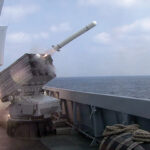

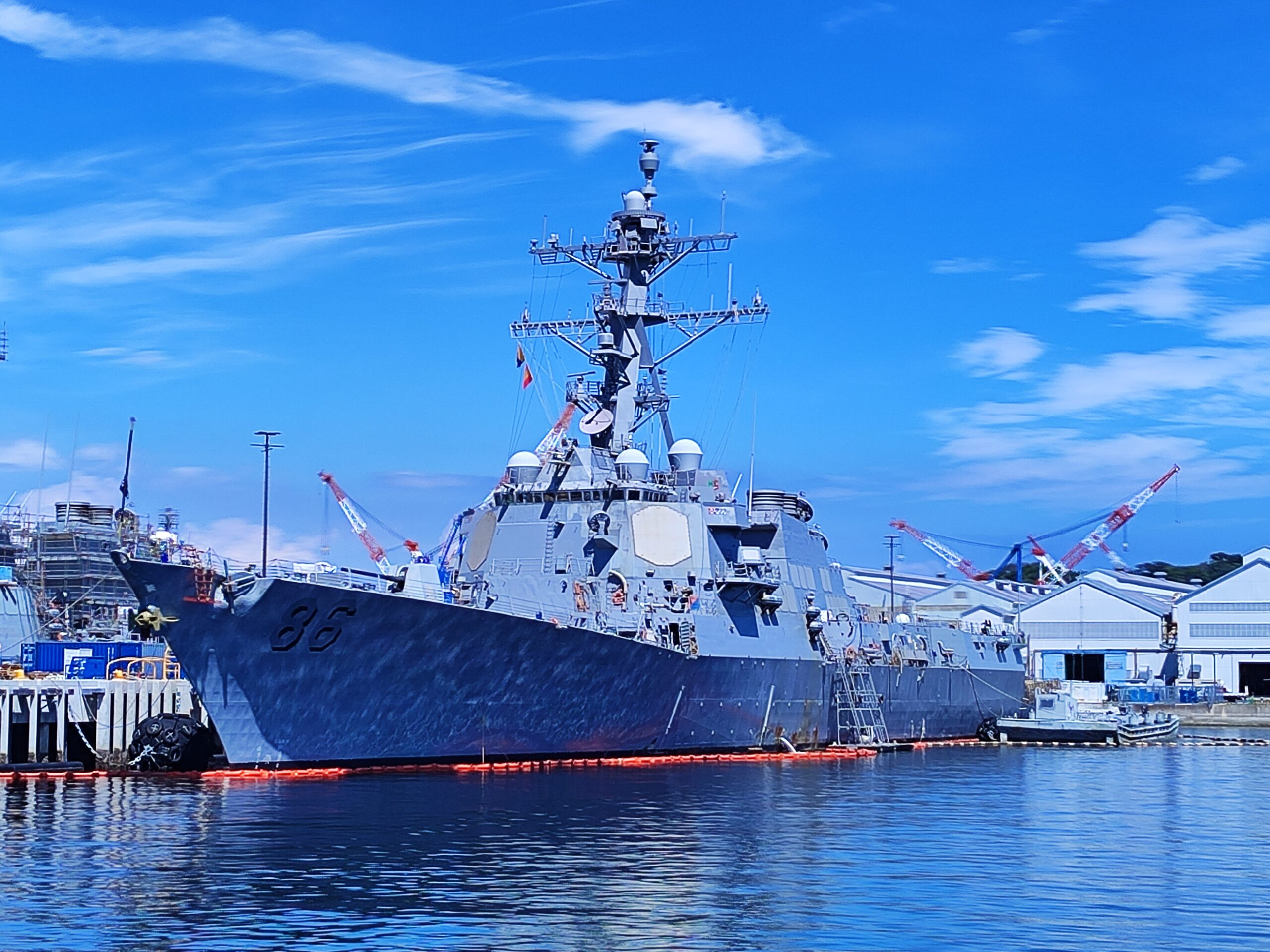
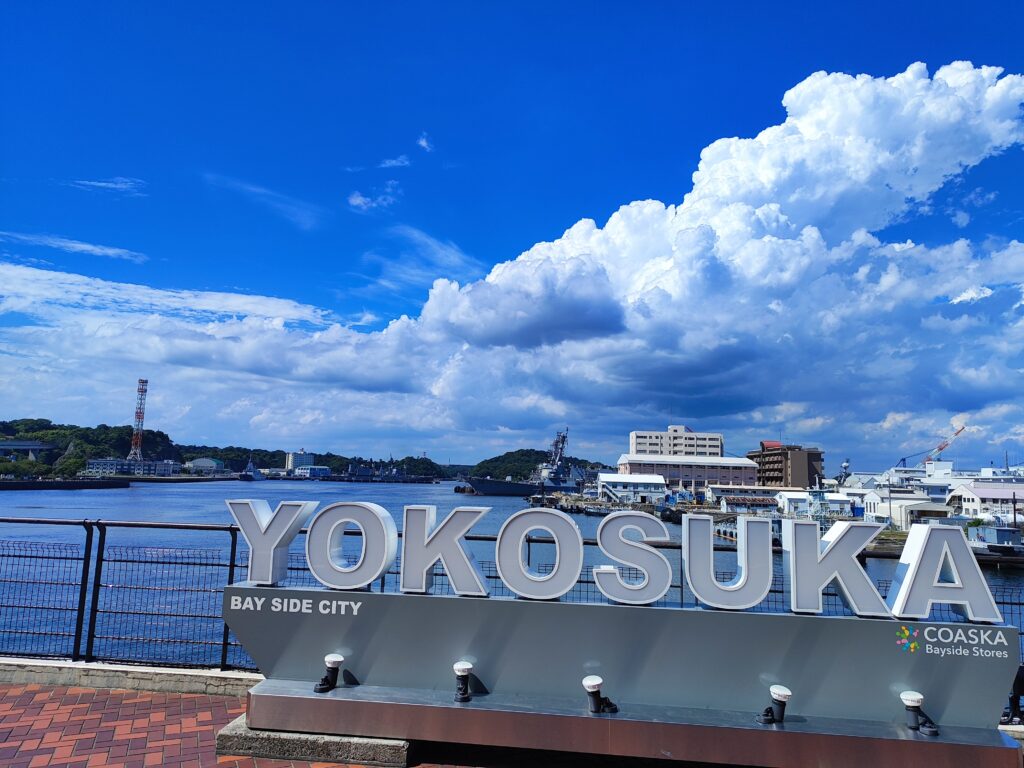
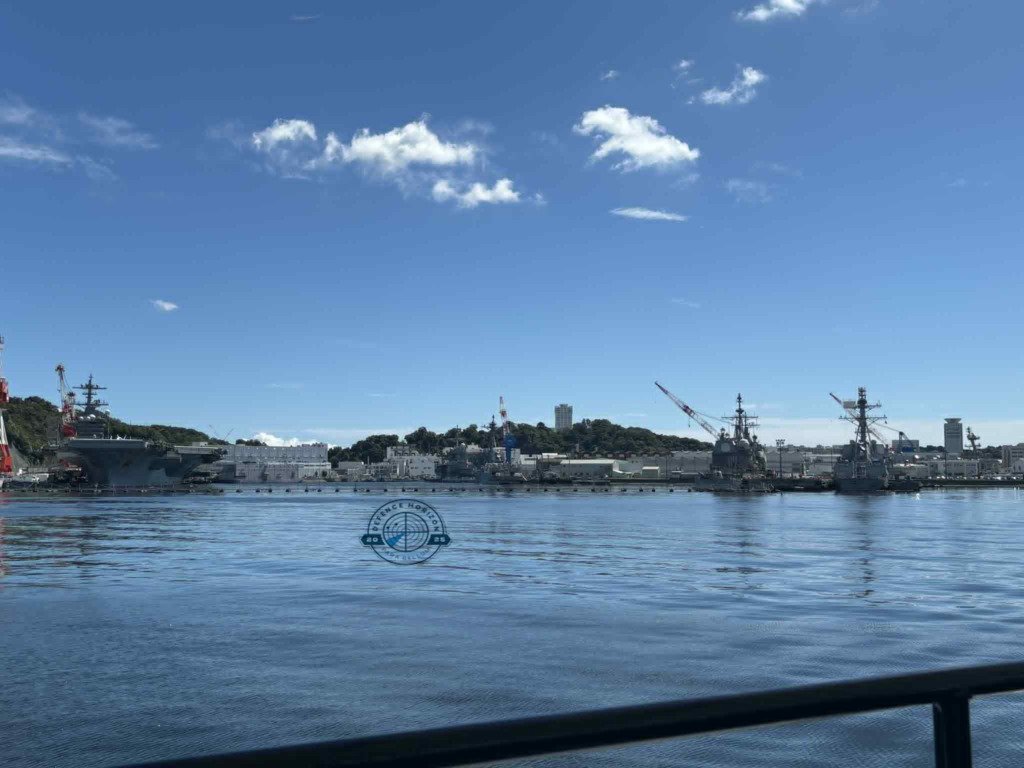
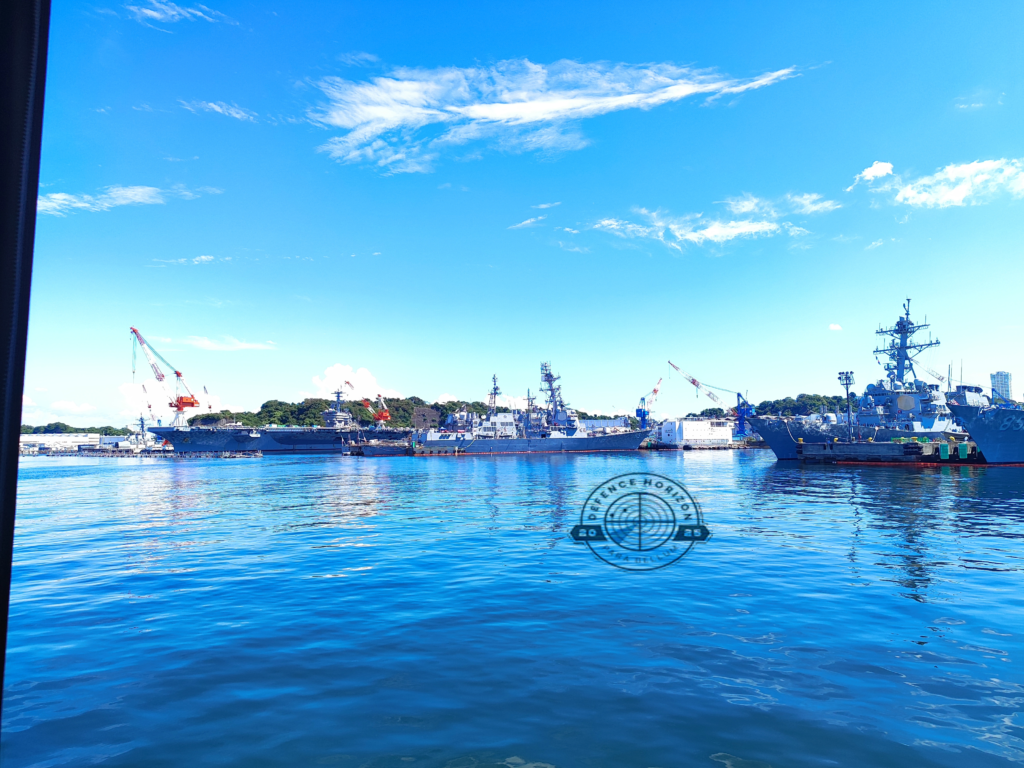
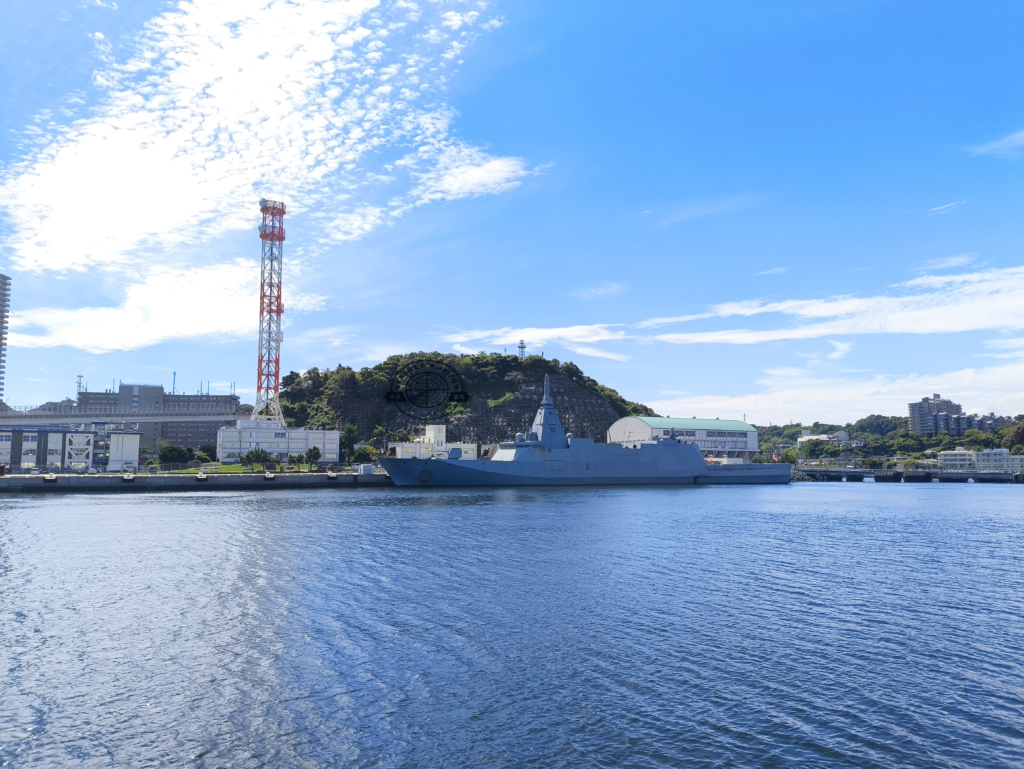
Just an hour and a half south of Tokyo lies one of the most strategically important naval hubs in eastern Asia, the Yokosuka Naval Base. Nested along the quiet waters of Tokyo Bay, it is home not only to the Japanese Maritime Self-Defense Force but also to the United States Navy’s Seventh Fleet. On our recent visit, we had the opportunity to step inside this joint stronghold of maritime power, touring the bay and witnessing an impressive lineup of warships, from the tower high masts of destroyers to silent but lethal submarines.
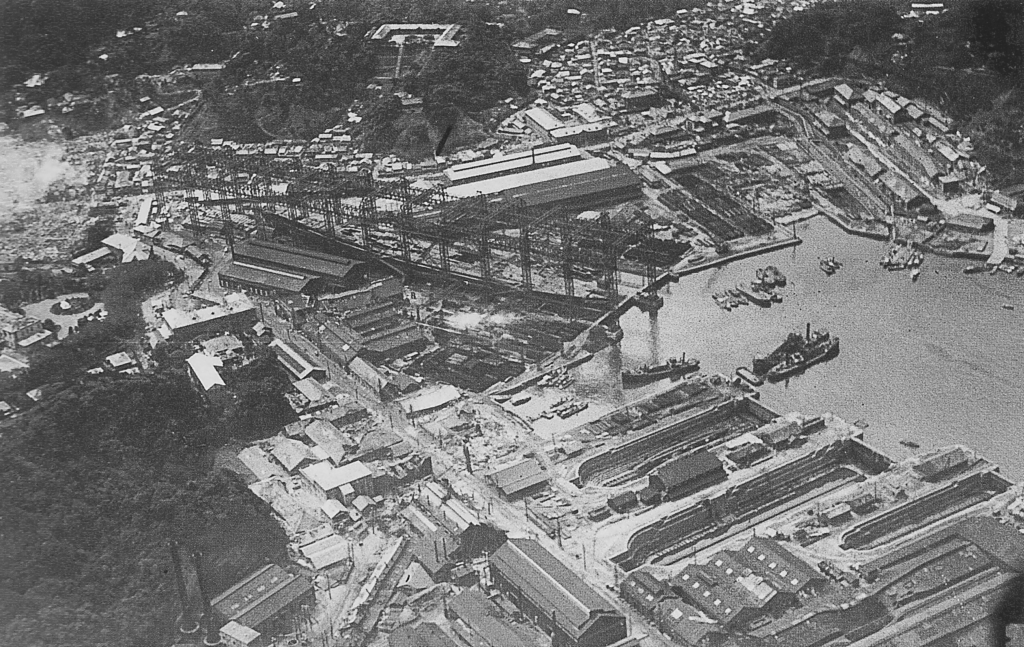
The Yokosuka Naval Base traces its origins back to 1865, when Japan, at the time still a Shogunate under the Tokugawa dynasty, established the Yokosuka Iron Works with assistance from French engineers. This facility later evolved into the Yokosuka Naval Arsenal, becoming a cornerstone of Japan’s Imperial Navy and playing a major role in the nation’s naval modernization during the late 19th and early 20th centuries. Following Japan’s surrender in 1945, the base came under the control of the United States Navy and was transformed into a key installation for the newly established U.S. Seventh Fleet. Over the decades, Yokosuka developed into a symbol of postwar cooperation between Japan and the United States, serving today as both the homeport of U.S. aircraft carriers permanently forward-deployed in the region and a major operational center for the Japan Maritime Self-Defense Force. Its history reflects not only Japan’s maritime evolution but also the enduring strategic partnership that continues to shape security in the Indo-Pacific.
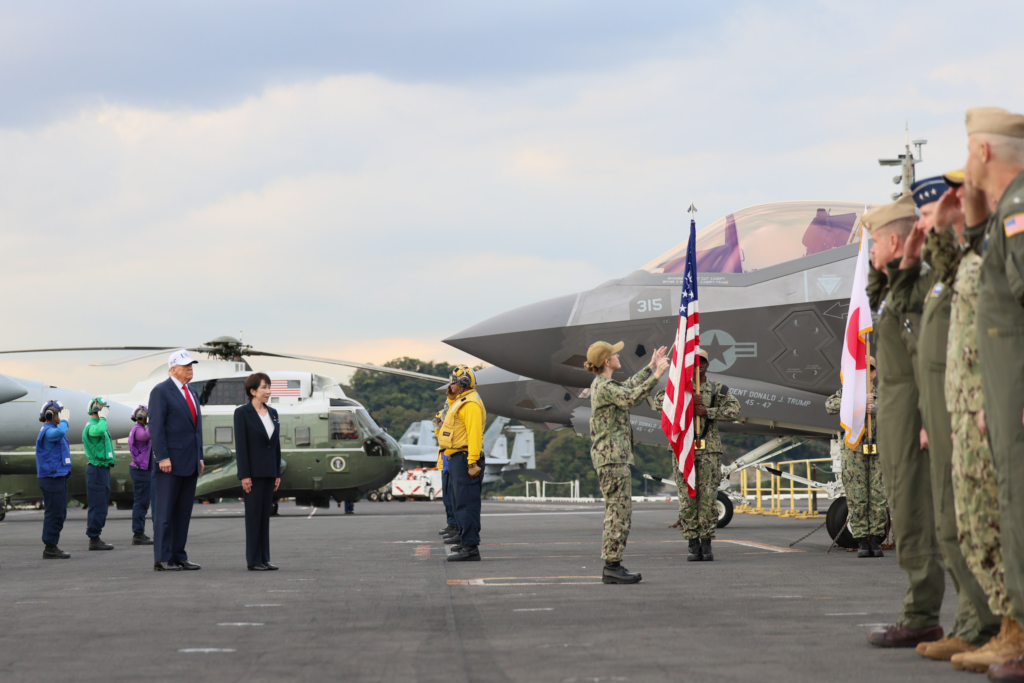
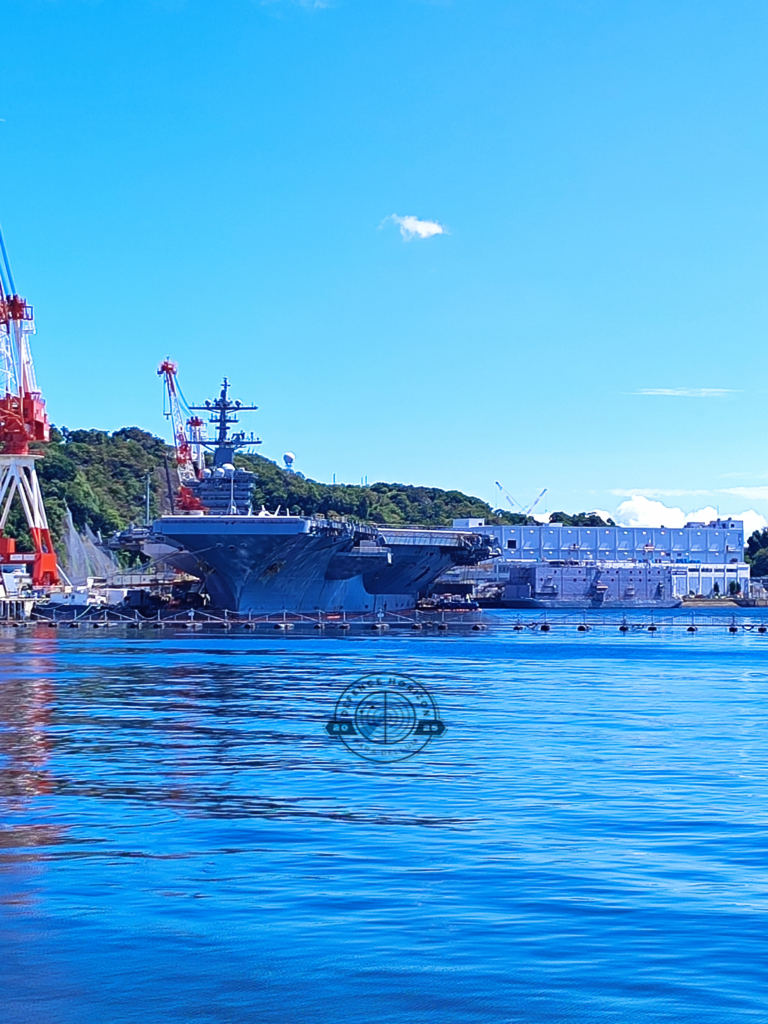
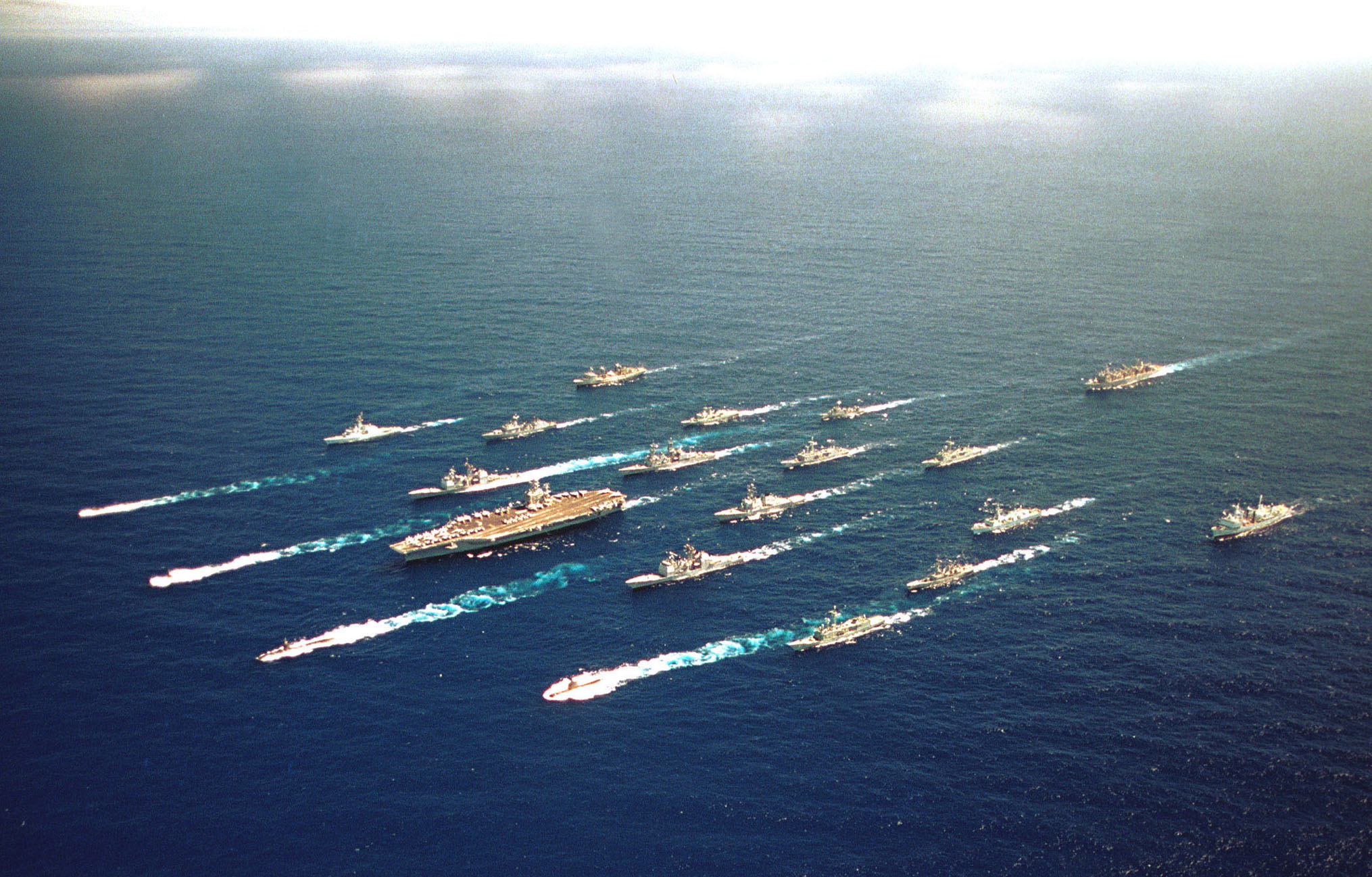
The base is not only used by the USN or the JMSDF as other NATO member countries or partner countries frequently use it to station their vessels during multinational exercises or forward deployments. The importance of this base was also highlighted by the recent visit of President Donald Trump who boarded the Aircraft Carrier USS George Washington. From the main hangar of the carrier President Trump and President Takaichi re-affirmed the strong bilateral ties between USA and Japan while the latter vowed for the continued effort for the rapid re-armament of Japan in order to counter the rising threat posed by China.
The base itself was funded in 1866 by Tokugawa Yoshinobu, the last Shogun of the Tokugawa Shogunate. The base facilities served a dual purpose, a base and an arsenal. The Naval Arsenal of Yokosuka was the first of its kind in Japan while foreign advisors helped in its creation. After 1871 and the end of the “civil war”, the facilities passed down to the hands of the Emperor-lead government and the first, of the now six, drydock was constructed. In 1976 the first locally constructed, western style, vessel of the Japanese navy was launched by the Yokosuka Arsenal, an event that marked the transition of the Imperial Navy to a new era of steam and iron.

Yokosuka Naval Arsenal, 1870
Eventually, after some decades of much needed experience and technological progress, the Yokosuka Naval Arsenal constructed a big number of vessels from submarines and cruisers to battleships and carriers. Some of the most notable vessels that were constructed in the Arsenal are battle like Yamashiro and Mutsu, and carriers like Skokaku and Shinano. The last one especially is the third and final Yamato class battleship that was converted into a carrier.
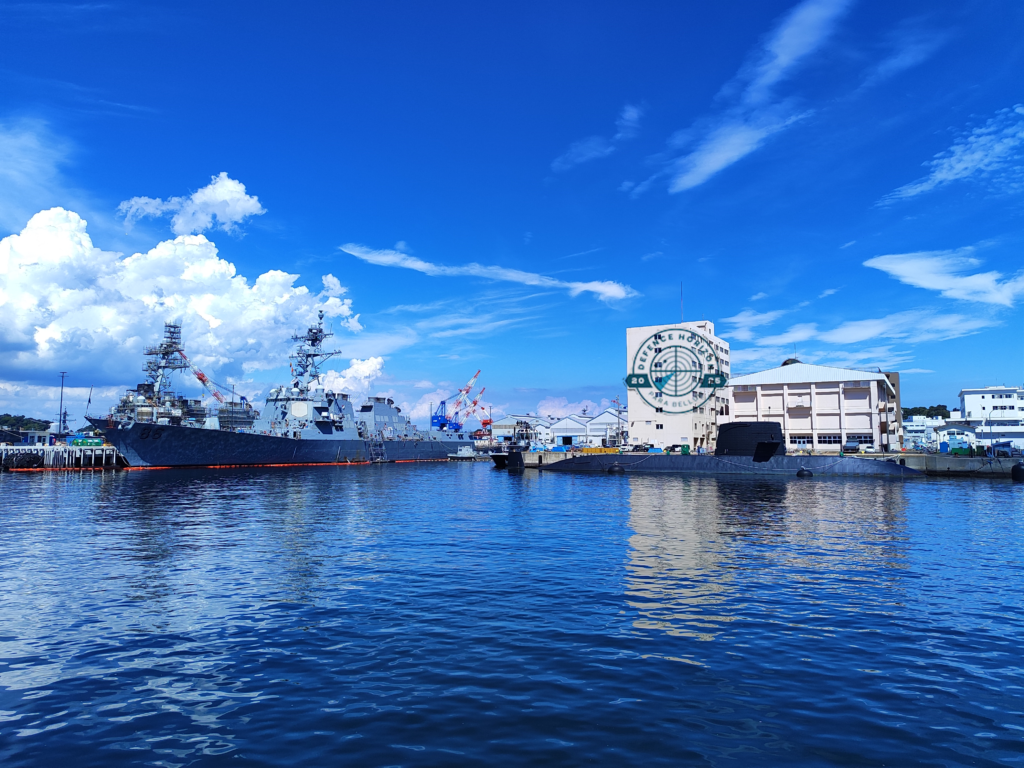
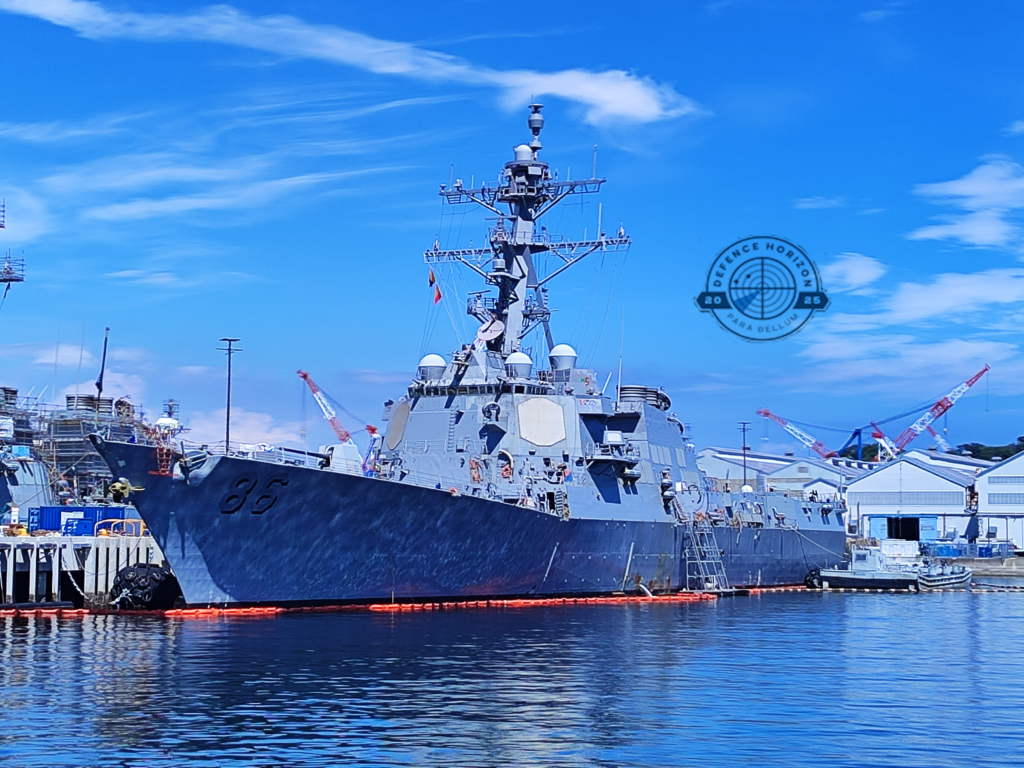
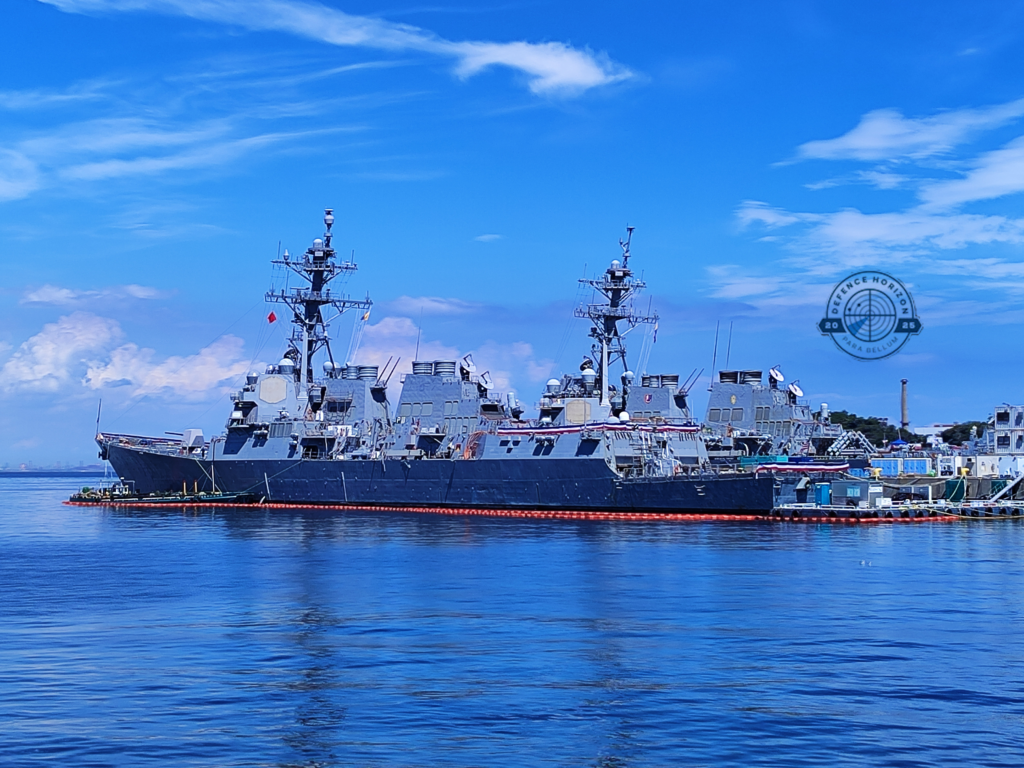
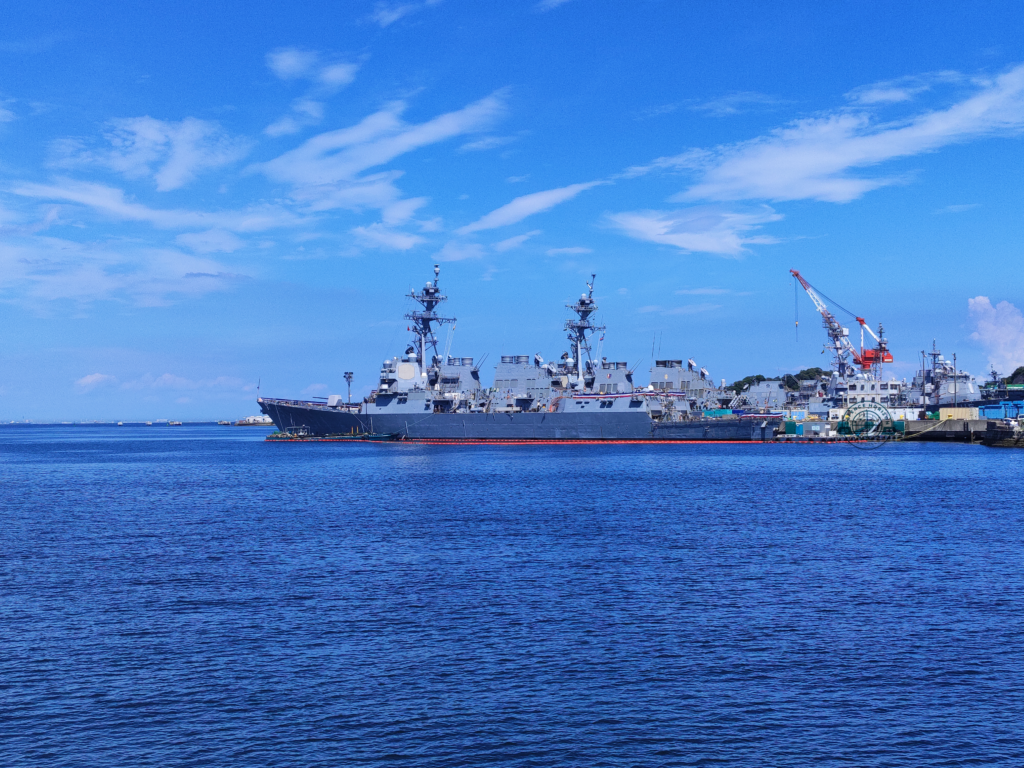
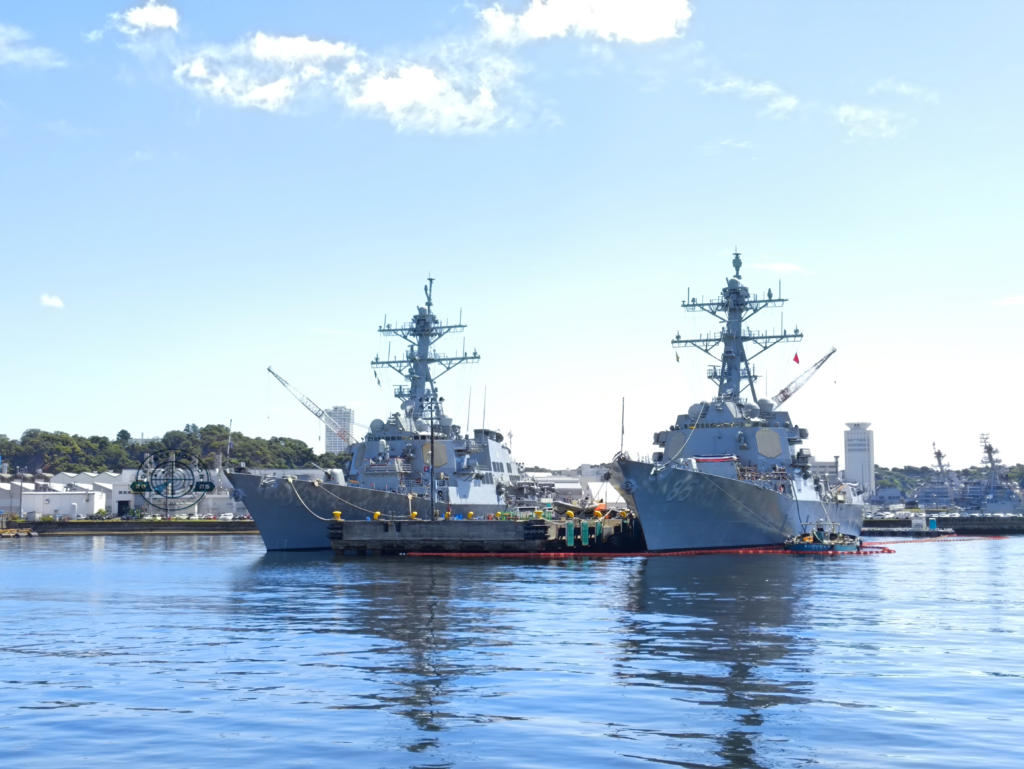
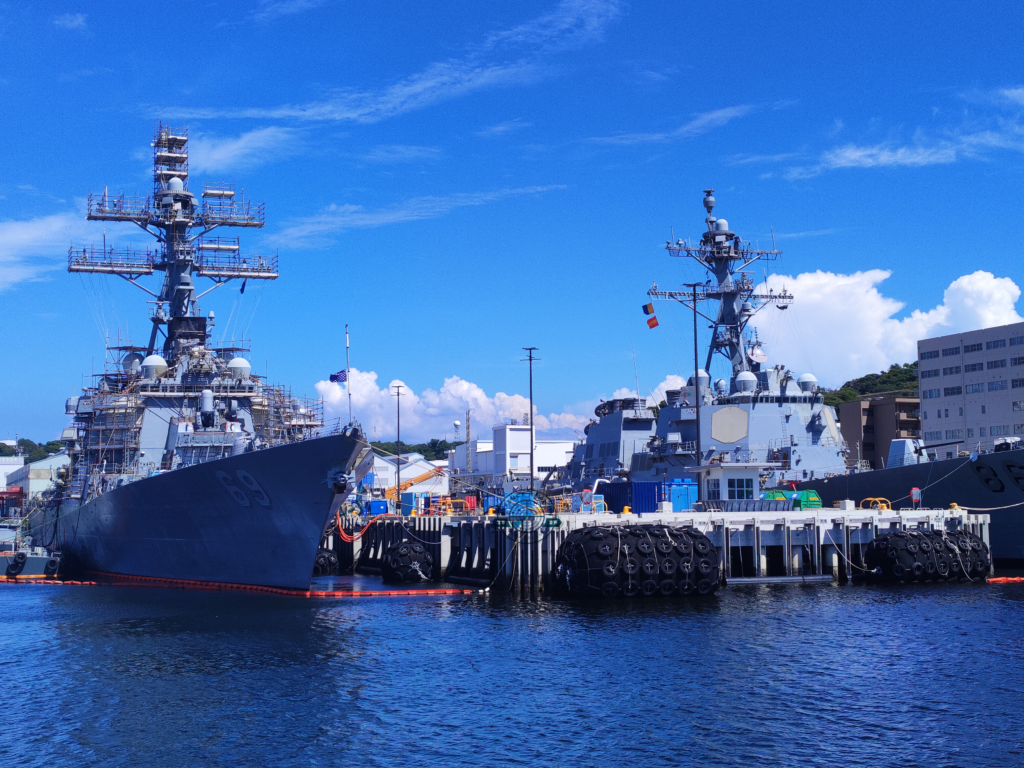
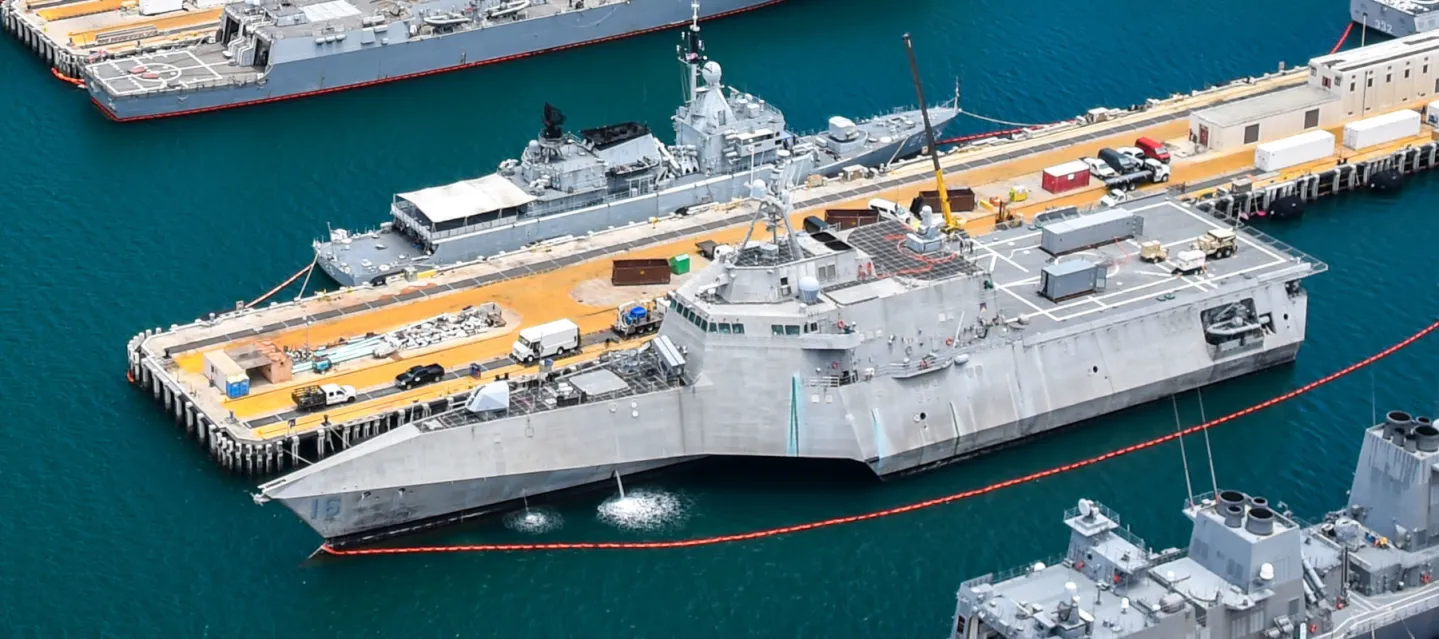
Today, the base is split in two different sections, the USN base and the Japanese Maritime Self Defense Force (JMSDF) base. What was originally the biggest part of the Imperial Navy base and the Naval Arsenal, was passed down to the hand of the USN and that includes the existing shipyards and drydocks that we used, among others. The Yokosuka Naval Base acts as not just a base of operations for the USN in the eastern Pacific but, also, as a forward maintenance base as well. Even when our team visited the base, a number of destroyers were going through different stages of maintenance while others were getting a much needed repaint job.
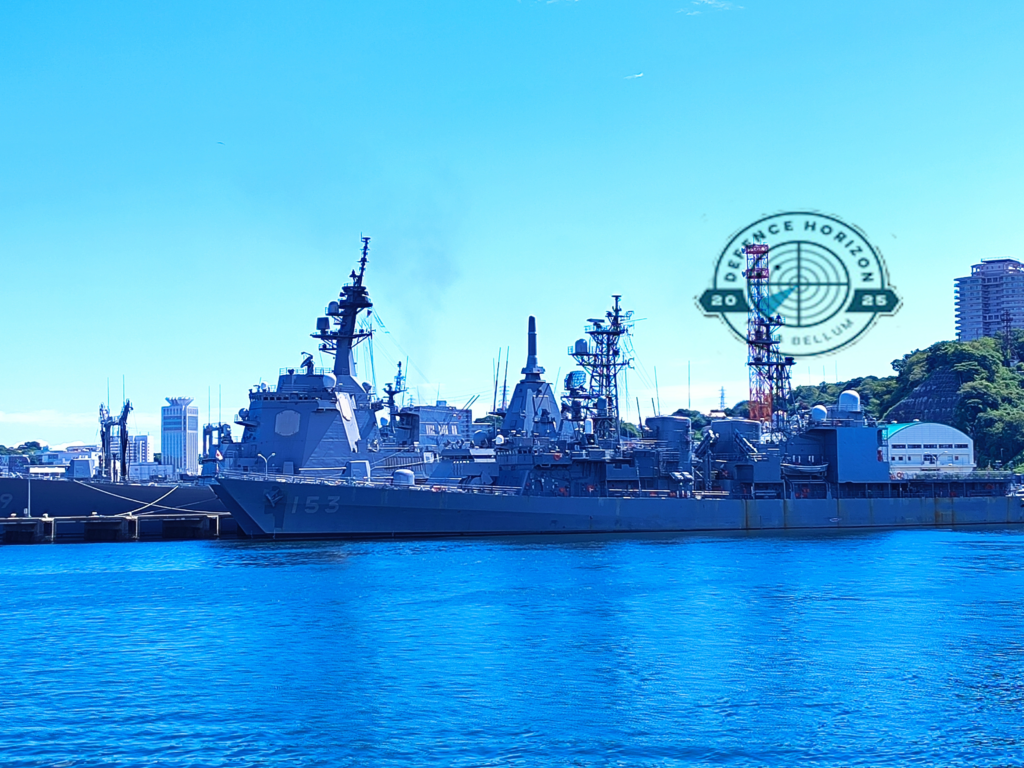
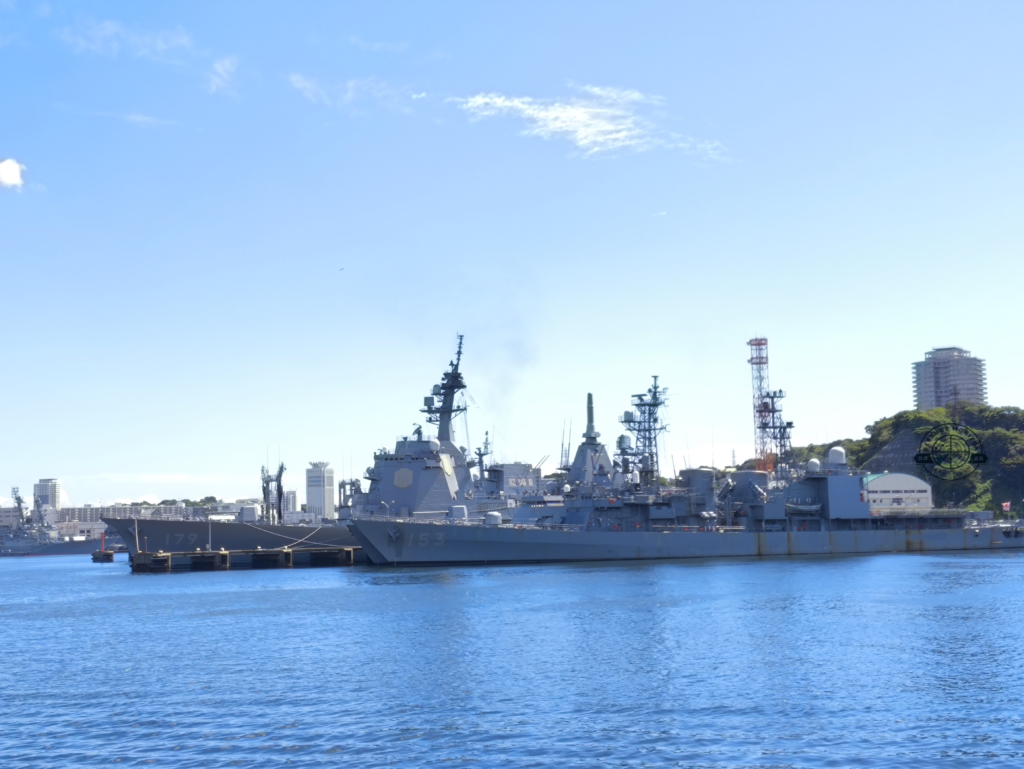
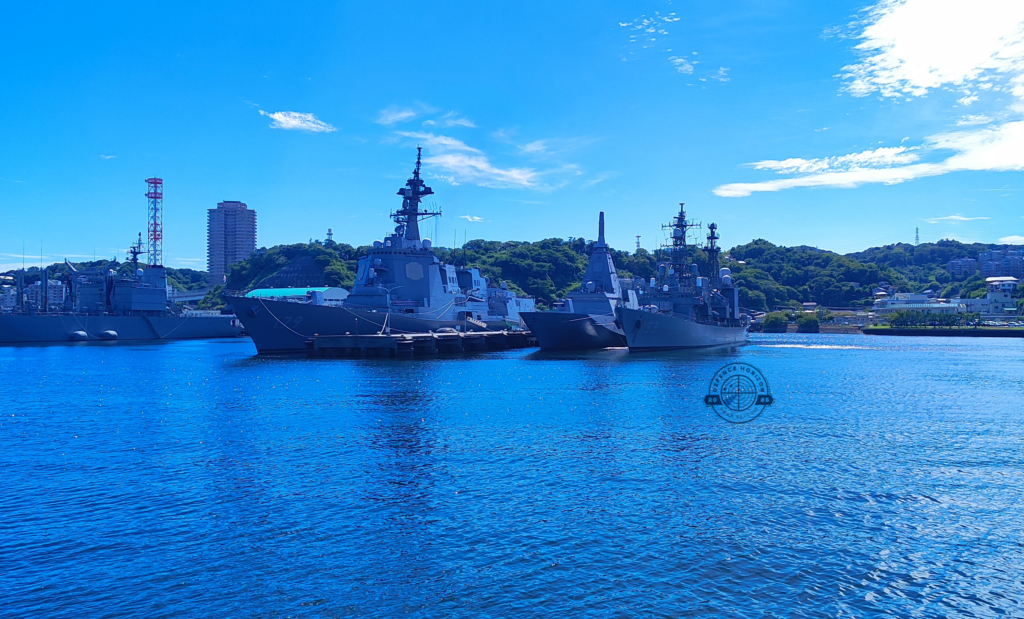
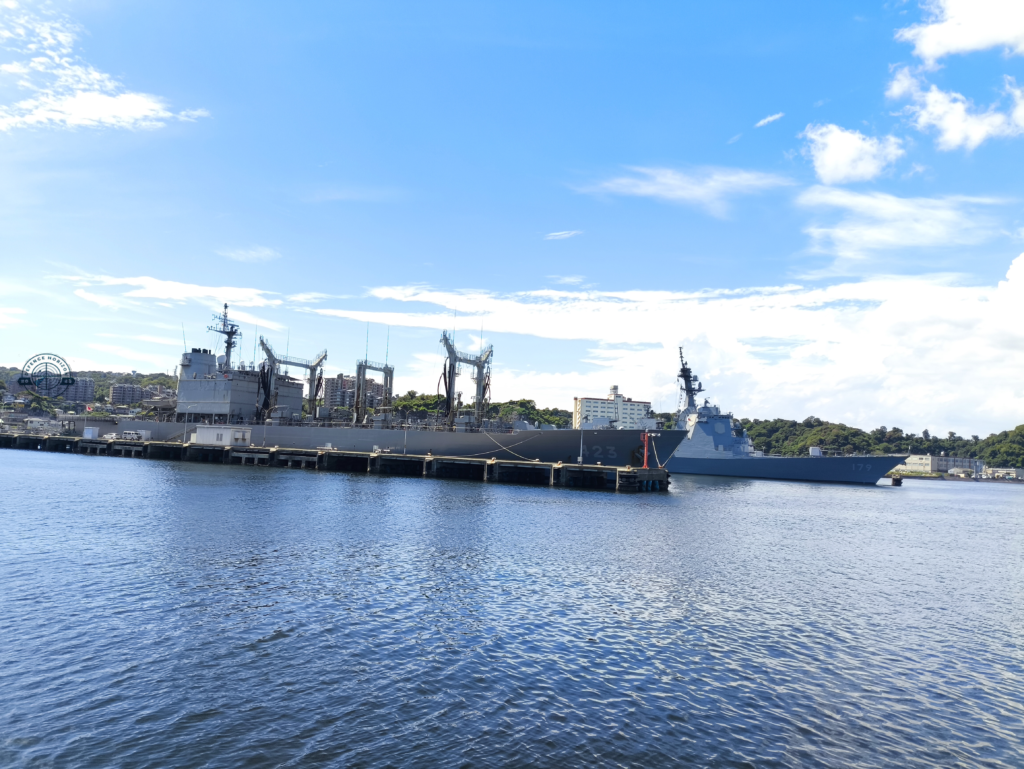
On the other hand, the Japanese Maritime Self Defense Force is not using the base mainly as the HQ of the Submarine Command, since two Escort Squadrons are also utilizing the base. The area includes fuel resupply facilities, ammo depots as well as training facilities and living quarters.
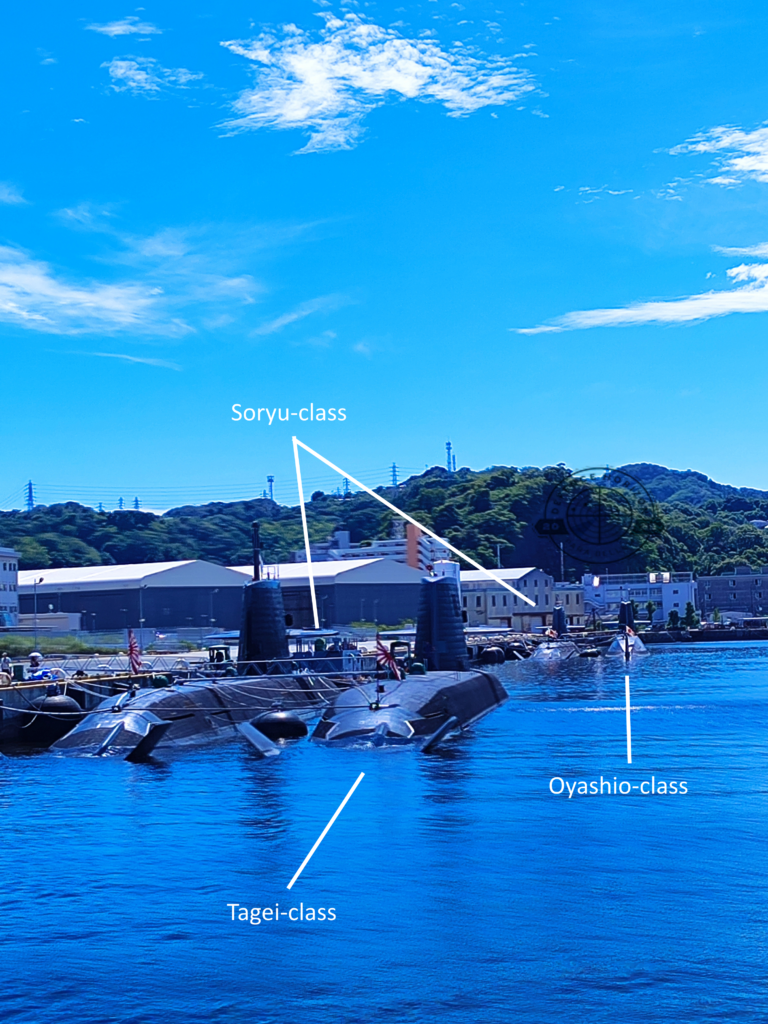
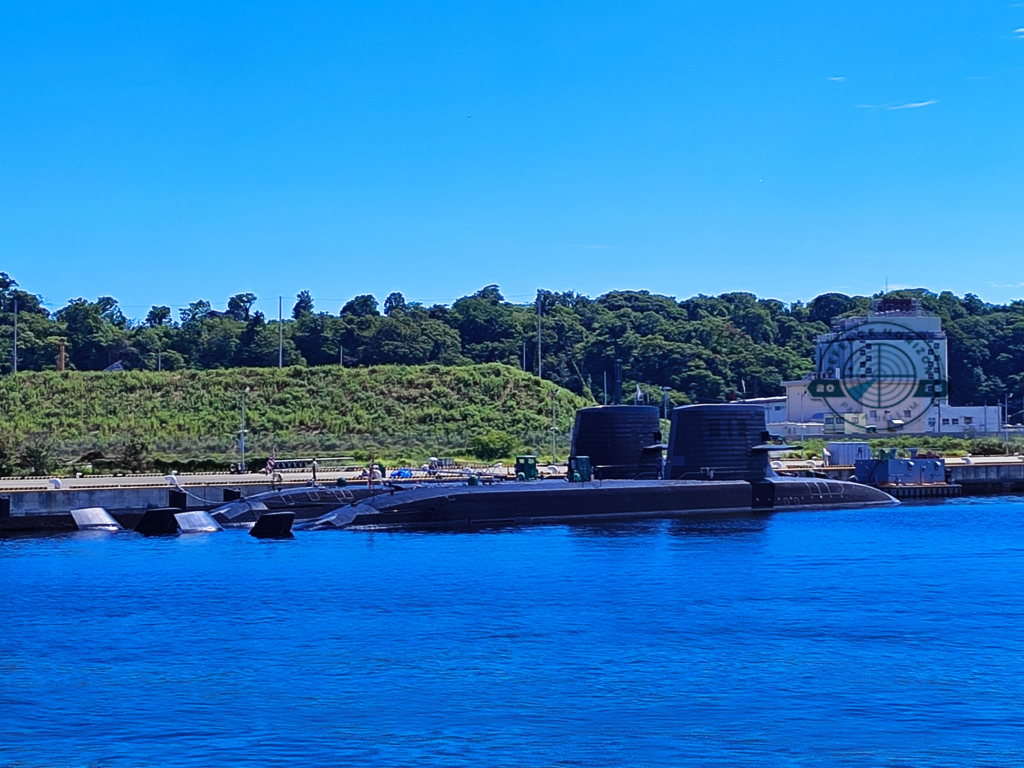
Visual Differences between JMSDF Submarine classes:
Oyashio-class: Cross shaped rudder
Soryu-class: X shaped rudder
Tagei-class: a boxier like hull than the Soryu
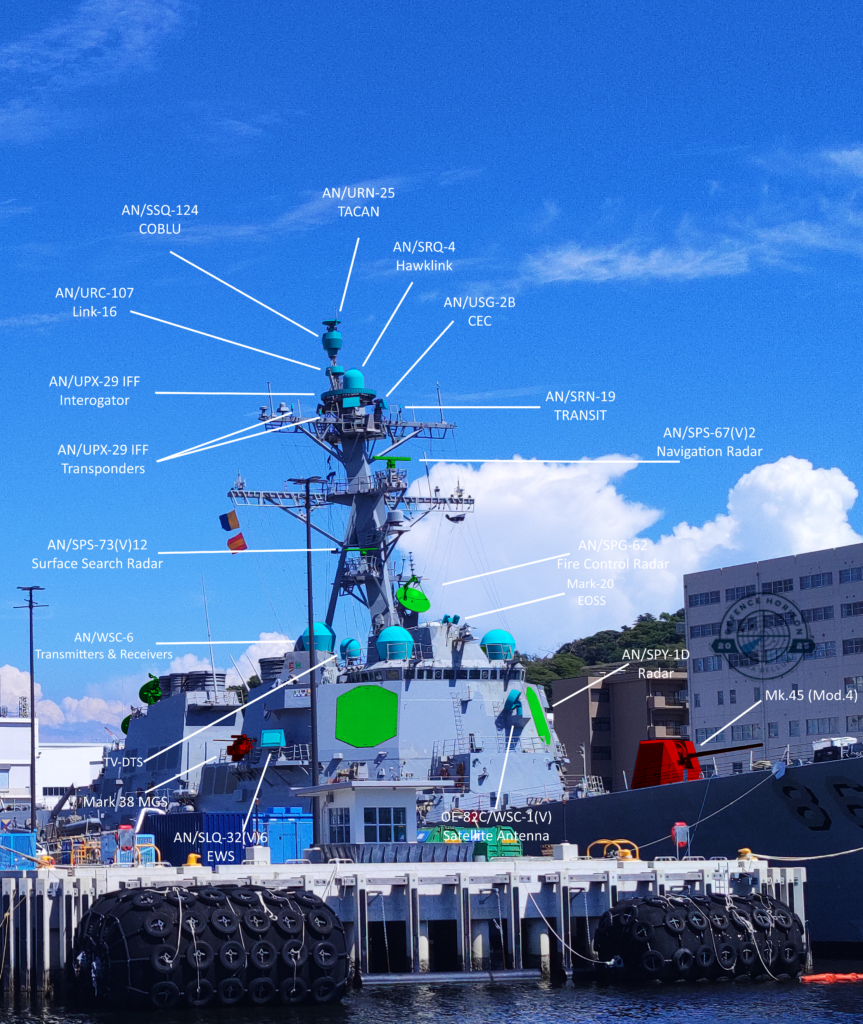
Infographic of the Arleigh Burke class destroyer, USS Shoup DDG-86:
How to visit the Yokosuka Naval Base:
If you want to visit the Yokosuka Naval Base and check out the destroyers of the American and Japanese fleets all you have to do is to find your way to the Shioiri station which is 1-1.5 hours away from downtown Tokyo. From there you must walk for five minutes to Coaska Mall and visit the Yokosuka Naval Cruise shop on the second level of the mall and get your ticket. The cruise starts on a small pier outside the mall and lasts for approximately 45 minutes. It offers great shots of both parts of the base and makes frequent stops for pictures. The only downside is that the tour is only in Japanese.
Another amazing article! Bravo!